
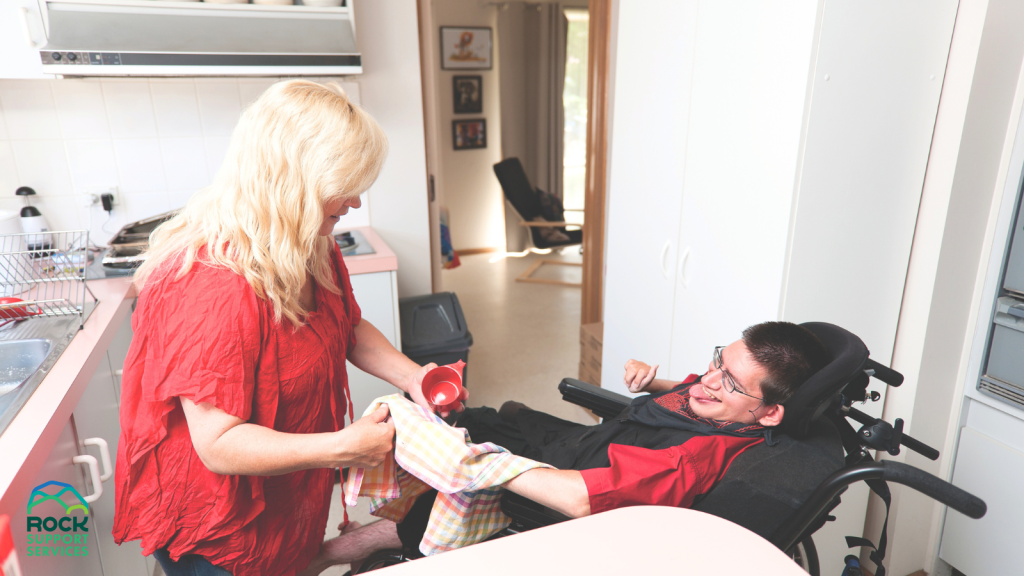
Tips for Caregivers: Supporting Loved Ones While Practicing Self-Care
Taking care of someone you love can be one of the most fulfilling things you ever do. But let’s be real, it can also be exhausting. Balancing their needs with your own isn’t easy, but it’s important to remember that you can’t pour from an empty cup. Here are some simple and practical tips to help you care for your loved one while making sure you don’t lose sight of yourself.
1. Don’t Forget About You
You’re probably used to putting someone else first, but don’t let that mean ignoring your own needs. Take a moment to think about what keeps you going, whether it’s grabbing coffee with a friend, taking a long bath, or just sitting quietly with a book. You matter too.
2. Set Boundaries That Work for You
It’s tempting to want to do everything, but let’s be honest, that’s just not sustainable. Be upfront about what you can realistically handle and don’t be afraid to ask others for help. Whether it’s a family member, a friend, or a professional, sharing the load can make a huge difference.
3. Lean on Your Support System
You don’t have to do this alone. Reach out to people who get it, whether it’s a caregiver support group, friends who’ve been there, or organisations offering Disability Support and Mental Health Support. A strong network can make all the difference.
4. Take Breaks (Yes, Really!)
You might think you’re too busy to take a break, but even a quick time-out can do wonders. Go for a walk, watch your favourite show, or just take a few deep breaths. You’ll come back recharged and ready to take on the day.
5. Use Respite Services When You Need Them
Sometimes, you need more than a quick break, and that’s okay. Respite care is there to help. Whether it’s just a few hours or a full weekend, it gives you the chance to step back while knowing your loved one is in good hands.
6. Stay Organised to Stay Sane
Keeping track of everything can feel like juggling a dozen balls. Try using a planner or an app to keep on top of appointments, medications, and tasks. Being organised can help you stress less and focus on what’s important.
7. Make Your Health a Priority
It’s easy to let your own health slip when you’re busy caring for someone else. Make time to eat well, exercise, and get enough sleep. When you’re feeling your best, you’ll be better equipped to help your loved one.
8. Find Your Calm
Life as a caregiver can be chaotic, but finding a moment of calm can help you reset. Try mindfulness, meditation, or even just a few deep breaths. These small practices can make a big difference in how you handle stress.
9. Get Professional Support When You Need It
There’s no shame in reaching out for help. Whether it’s talking to a therapist, joining a counselling session, or finding experts in Disability Support and Mental Health Support, getting professional guidance can make the tough days easier to manage.
10. Celebrate the Little Things
Every win, no matter how small, is worth celebrating. Did you manage to make your loved one smile today? Did you get through a tough task? Take a moment to acknowledge those victories, they add up.
11. Learn and Grow
The more you understand about your loved one’s condition, the better you can support them. Look for resources, workshops, or online tools to learn more about their needs. It’ll give you confidence and help you feel more prepared.
12. Share the Load
It’s okay to ask for help. Seriously. Whether it’s asking a sibling to take over for a day or hiring a professional for certain tasks, sharing responsibilities can lighten the load and give you breathing room.
Being a caregiver is a beautiful and challenging journey, but you don’t have to lose yourself in the process. By taking care of your own needs and reaching out for support, you can be there for your loved one without burning out. Remember, self-care isn’t selfish, it’s how you keep going.
Have any questions? Call our friendly team on 0411 290 966